- Name
- NVA tunnel networks
- Release or access
- NVA
- Battlefield purpose
- Buildable tunnel network support
- Source
- Official product and Steam descriptions
- Current build
- 13 August 2026
Current build
A network is a route relationship
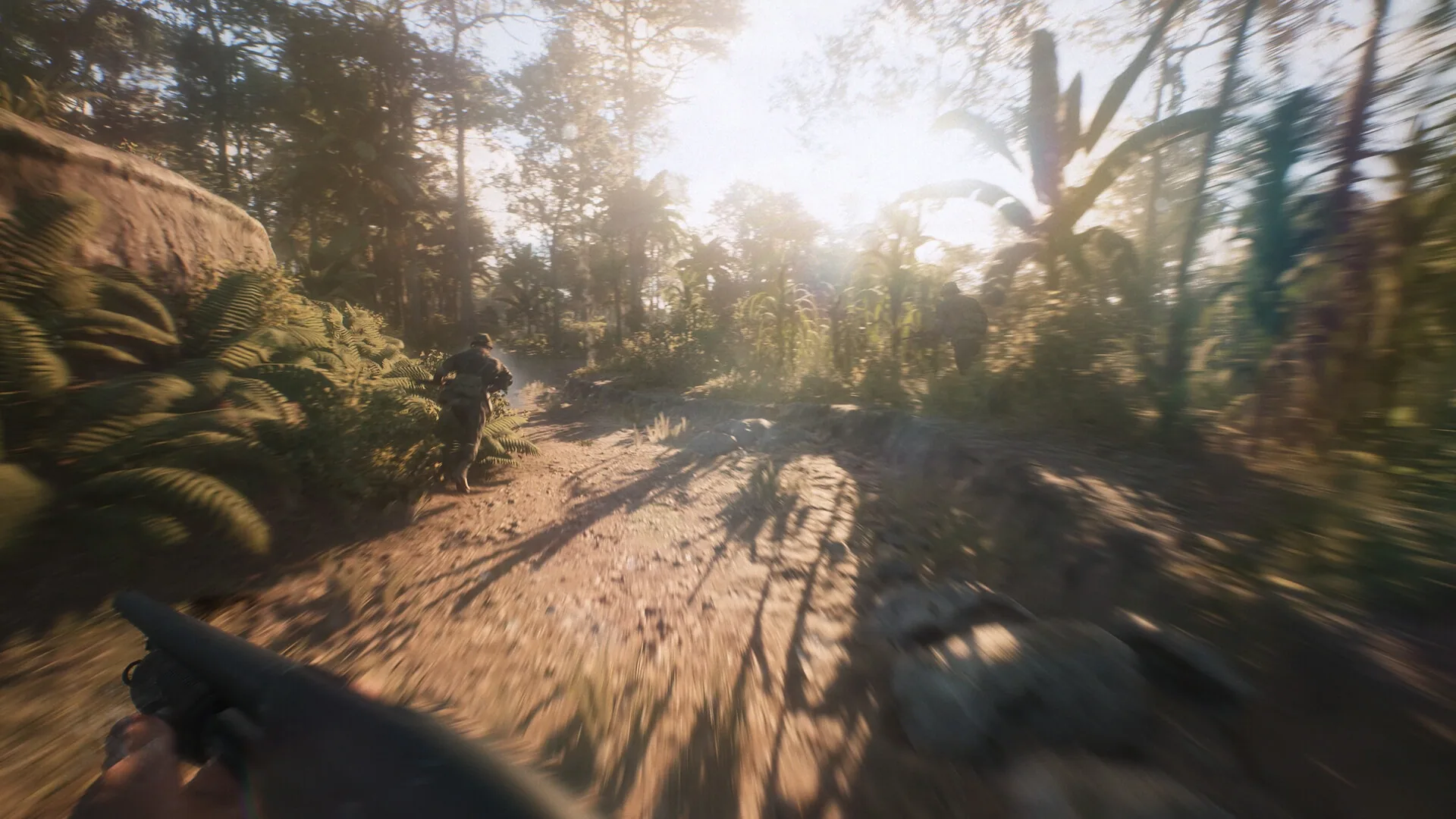
The tunnel record describes buildable tunnel-network support, not a promise that every player will fight below ground. The system matters because it changes where a squad can organize movement, defense or pressure. A network is most useful when the team above it understands the surface it supports. Mark the connection to a cave, village, jungle edge, river fallback or another concrete map feature so the build has a job beyond existing on the map.
That relationship also changes how a flank is read. Surface observation may show one approach while the network gives the NVA a second support line. A squad can recover from contact, redirect pressure or reinforce a sector without repeating the same visible route. The system rewards a player who thinks in layers and reports the layer that changed.
Field note
Use the terrain record
The six maps offer different surfaces for tunnel support. Thanh Hóa Bridge has jungle, mountains, villages and trainyards around a bridge and river crossing. Quảng Ngãi includes caves, cliffs, flooding and bamboo, which make depth and movement part of the same callout. Huế Outskirts and Vạn Tường mix jungle, built surfaces and waterways. The system becomes easier to understand when a player asks which of those surfaces needs hidden support and which needs visible pressure.
At Đắk Tô Airfield, the long runway and open ground make a direct surface route easy to describe but difficult to cross. A network can give the NVA another way to shape the timing around that route. The map record still decides what the squad can see. The tunnel system decides how the team can organize what is not immediately visible.
Field note
The useful tunnel call
Call the network with its purpose: fallback, flank, reinforcement or route support. Then name the surface it touches. ‘Tunnel supports cave fallback’ tells the squad more than ‘tunnel here’ because it makes the next movement legible. Engineers and Squad Leaders can connect the build to the task; Recon can watch the visible edge; Infantry can move when the support changes the pressure.
Use the Factions page to compare this surface with US helicopter operations, and use Battle doctrine to place the system inside a wider attack or defense plan. The tunnel network is a faction identity, but its success still depends on the same shared command language that keeps a 50v50 match readable.
Field note
Support must touch the route
A buildable network earns attention when it changes the route a player can take. Connect the entrance to a visible surface, name the fallback it protects and give the squad a condition for using it. If the enemy pressure moves away, the tunnel may become reinforcement support; if the pressure turns toward it, the squad may need a new visible hold. The record does not provide a universal placement recipe, so the useful call remains tied to the terrain in front of the team.
This keeps the system connected to command and squads. Engineer provides the construction action, Squad Leader supplies the purpose, Recon watches the exposed edge and Infantry decides when the support is worth the movement. Compare the network with US helicopter operations to understand the faction contrast, then use Riverine combat and Battlefields when the route meets water or a bridge. The official launch record names this as a buildable NVA support surface rather than a decorative map overlay, so the next useful action is still a named route, a fallback and a squad that can use the entrance.