Current build
Movement is part of the kit
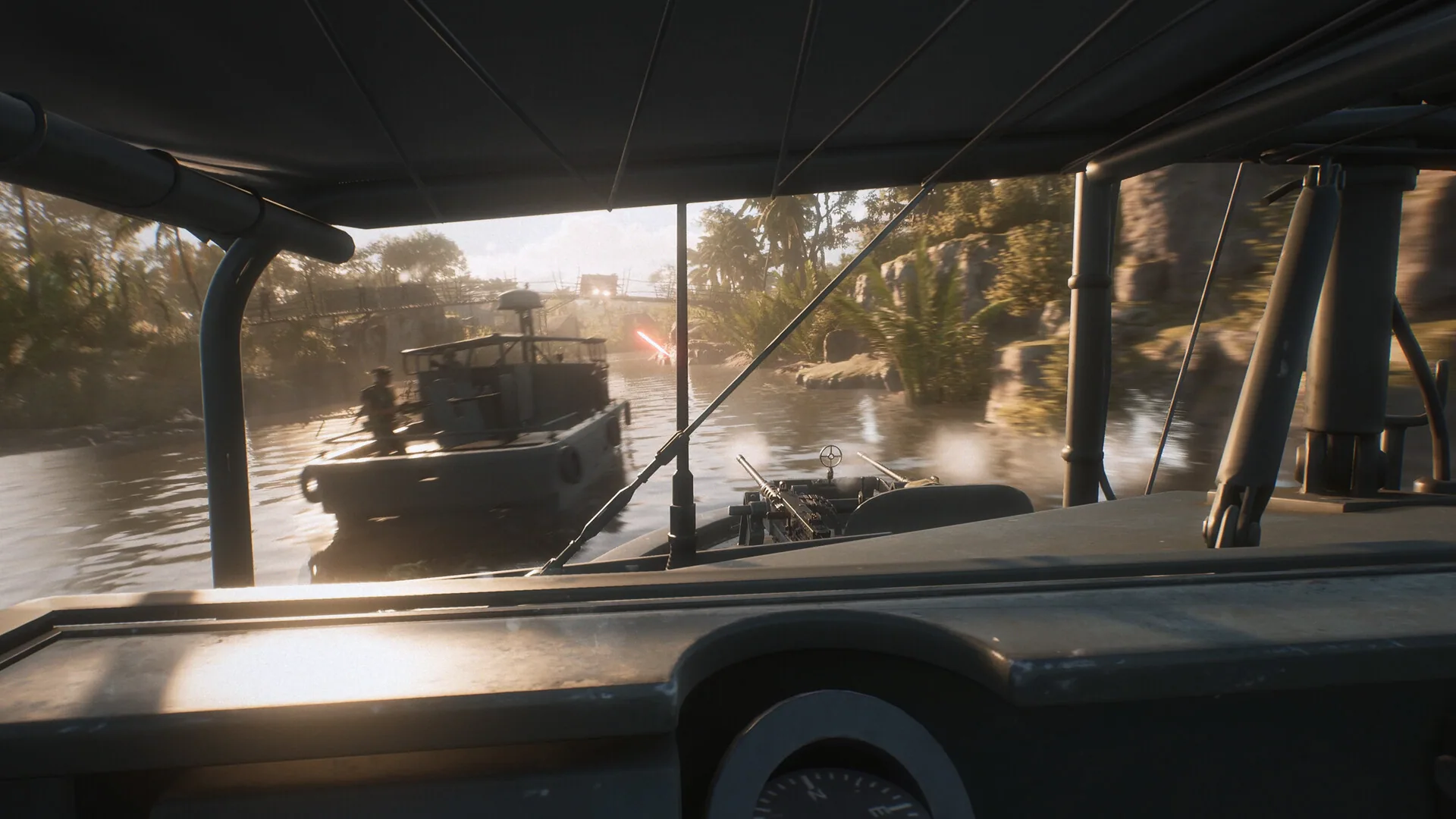
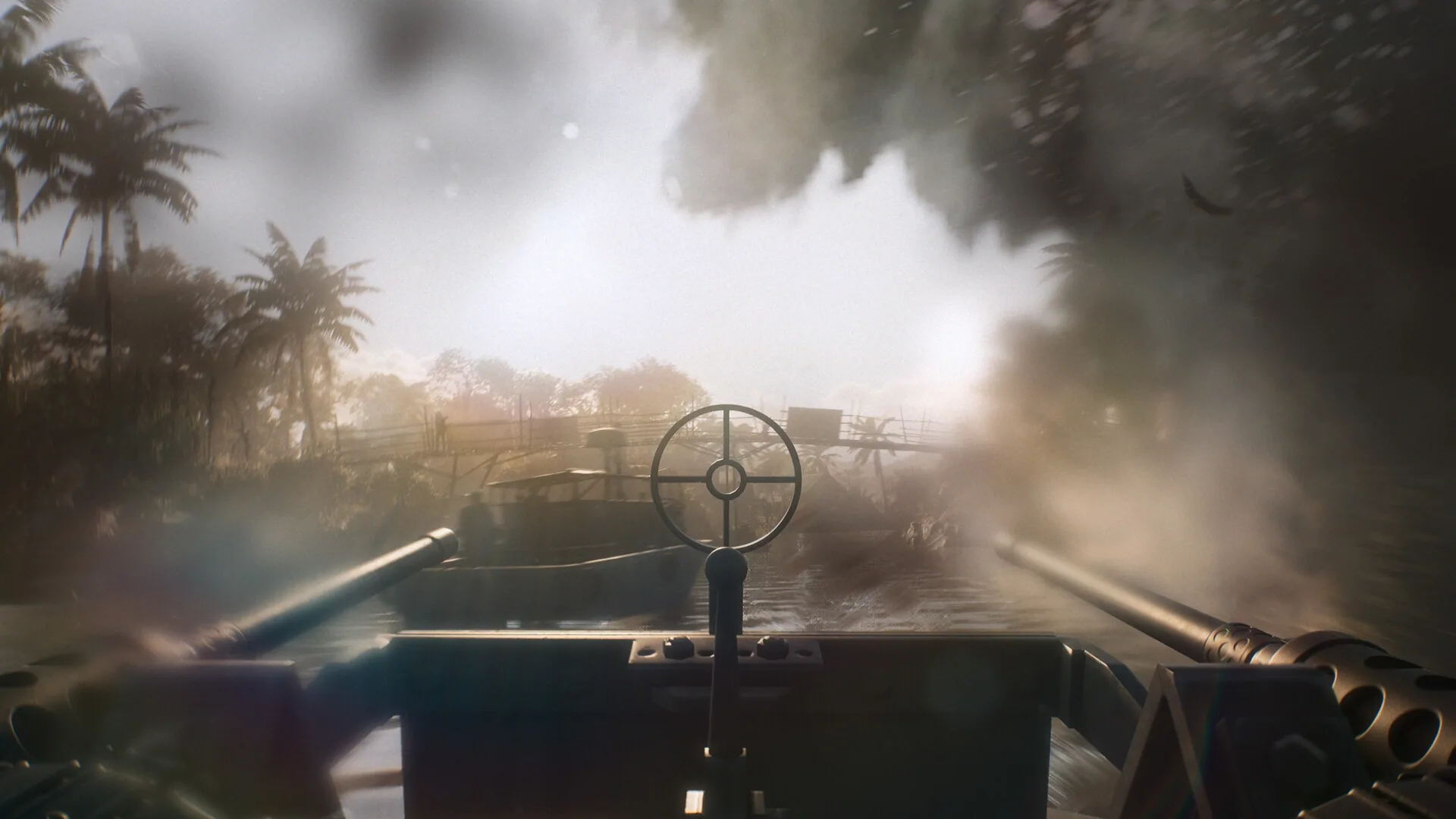
Swimming, climbing, fast crawling and dragging an injured player are not cosmetic additions to the movement vocabulary. Each one changes what a player can do when the direct route is blocked, exposed or interrupted by a casualty. Swimming can turn a river into a route. Climbing can turn a bank or boundary into an approach. Fast crawling can reduce the silhouette at the edge of a sightline. Dragging can move a player toward cover when standing up would be the wrong decision.
Use the action with a map noun. A bridge crossing may need a bank route. A runway edge may reward crawling. A flooded lowland may require a different movement decision from a cave entrance. The field kit becomes useful when the player can tell the squad what action is being taken and why the terrain makes it relevant.
Field note
Carry a role purpose into the field
The role roster gives every current slot a battlefield purpose. Commander coordinates, Squad Leader leads, Rifleman holds the general infantry line, Grenadier provides explosive support, Engineer provides construction and field support, Medic handles casualty recovery, Specialist handles specialist infantry tasking and Machine Gunner provides sustained fire. Recon separates observation from precision reconnaissance; Armour separates command from operation; Mortar Squad separates observation, support and firing.
The field kit is therefore not a loadout ranking. It is a reminder to take a function that the squad needs. If a casualty needs moving, Medic and a player who understands dragging answer different parts of the same problem. If an approach needs information, Spotter and Sniper have different purposes. If a sector needs a boat or air route, the vehicle and faction records explain the support surface before the player chooses a slot.
Field note
Historical texture, practical limits
The product surface presents Vietnam through historical setting, equipment, terrain and faction asymmetry. That context gives the maps and systems a recognizable texture, but a player reference should keep the practical limit visible: the available launch records do not establish a complete weapon-by-weapon encyclopedia. Use the official store and support links for product changes, and use this dossier for the roles, maps and systems that are currently structured.
This boundary keeps the field kit honest and useful. It tells a player what can be practiced now: movement across terrain, communication through the chain of command, choice of a role purpose, use of air or tunnel support and a recovery decision under pressure. When a future update adds a new equipment record, the field kit can grow from that source without replacing the launch facts with invented detail.
Field note
Keep the kit tied to records
Use the field kit as a route into a decision, not as a catalogue of unsupported equipment. Start with the role purpose, identify the map surface and then choose the system that changes the movement. A Medic asks where the casualty can be recovered; an Engineer asks what route needs support; a Pilot asks what ground action follows the air request. This gives the historical texture a practical match use while respecting the limits of the captured records. Add one concrete note after the match—bridge, runway, tunnel, dock or boat lane—and the kit remains a repeatable field routine rather than a static list. The official product surface also names historically grounded weapons and a Royal Armouries collaboration, but those mentions do not create a complete arsenal schema here. Keep the kit next to Roles, Battlefields and Systems so the next match starts from a named task.